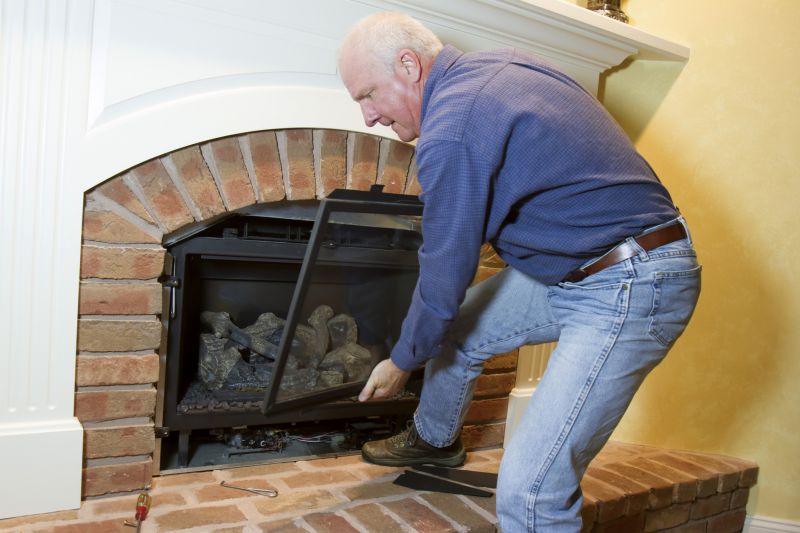
Hearth Removal in Bergen County, NJ
Hearth removal services involve the safe and efficient dismantling and removal of existing fireplaces, mantels, and surrounding structures. This type of project is often requested when homeowners are remodeling, updating their interior design, or addressing structural concerns related to outdated or damaged hearths. Property owners typically want to understand the scope of the removal process, including how it may affect the surrounding areas, the disposal of materials, and any necessary repairs to the wall or floor after the hearth is taken out.
Before requesting hearth removal, homeowners should consider the type of fireplace or hearth they have, such as wood-burning, gas, or electric, as different systems may require specific removal techniques. It’s also important to evaluate the condition of the surrounding structure and whether modifications are needed to maintain safety and aesthetic appeal. Understanding these details can help ensure the project proceeds smoothly and aligns with the overall goals for the space.
Many property owners in Bergen County, NJ look into Hearth Removal for repairs, replacements, upgrades, and appearance-related improvements.
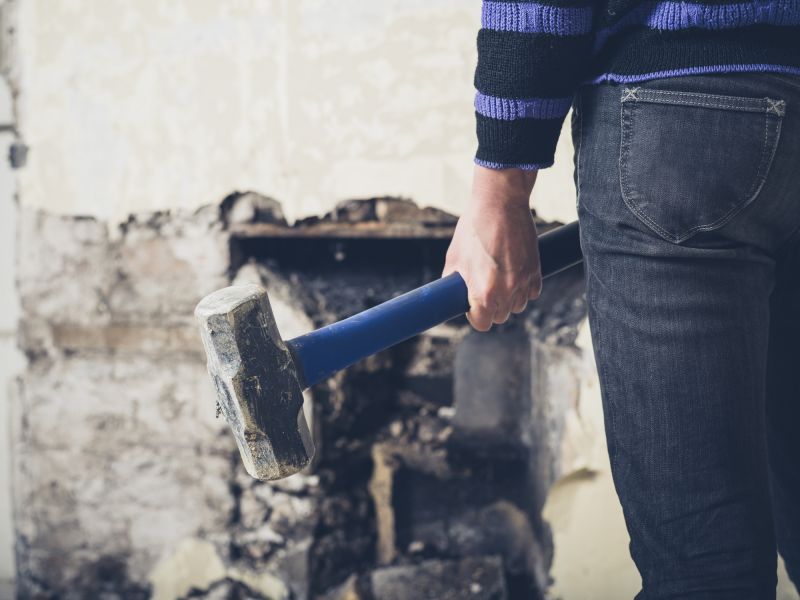
Hearth Removal Options
Different types of fireplaces and stoves can be safely removed or decommissioned.
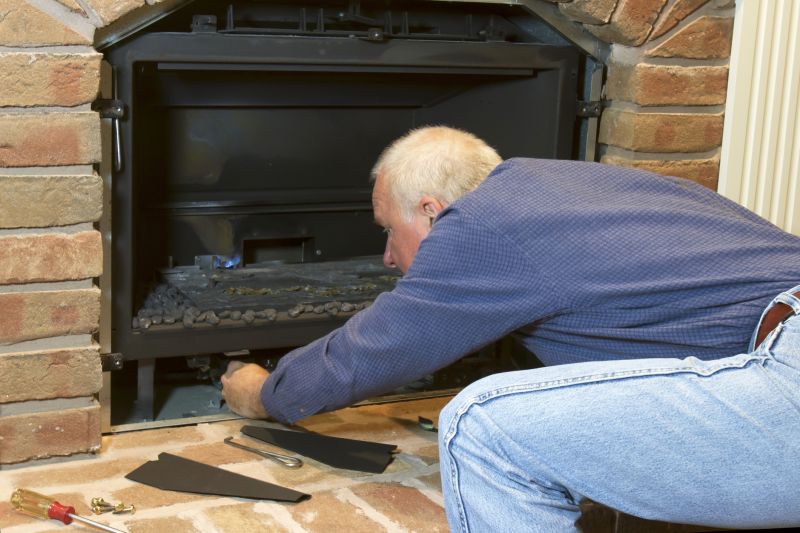
Safety And Code Compliance
Proper hearth removal ensures the space is safe and meets local building codes.
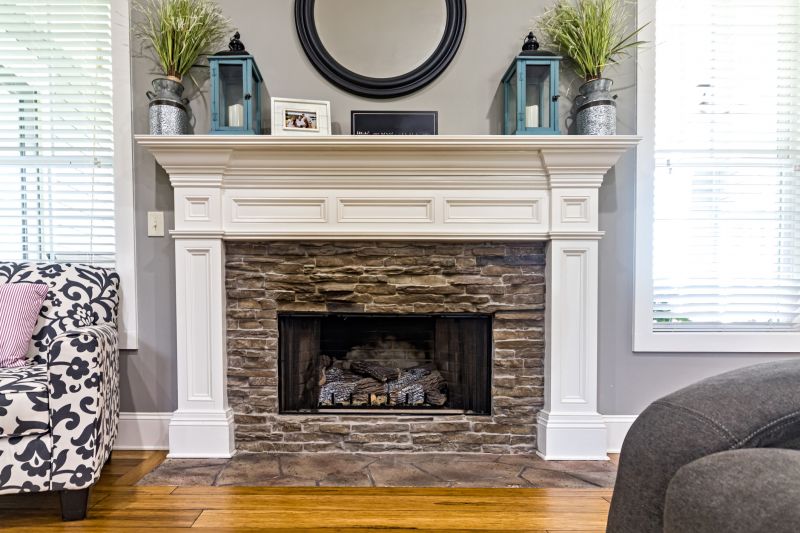
Renovation And Space Reuse
Removing an old hearth can open up living areas for remodeling or new design ideas in bergen county homes.
Hearth Removal in Bergen County, NJ
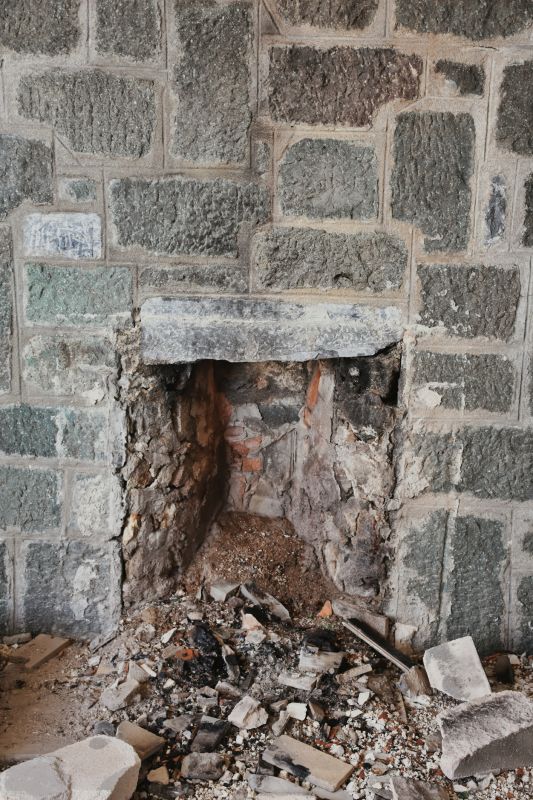
Hearth removal services involve the safe and efficient dismantling and removal of existing fireplaces, mantels, and surrounding structures. This type of project is often requested when homeowners are remodeling, updating their interior design, or addressing structural concerns related to outdated or damaged hearths. Property owners typically want to understand the scope of the removal process, including how it may affect the surrounding areas, the disposal of materials, and any necessary repairs to the wall or floor after the hearth is taken out.
Before requesting hearth removal, homeowners should consider the type of fireplace or hearth they have, such as wood-burning, gas, or electric, as different systems may require specific removal techniques. It’s also important to evaluate the condition of the surrounding structure and whether modifications are needed to maintain safety and aesthetic appeal. Understanding these details can help ensure the project proceeds smoothly and aligns with the overall goals for the space.
Many property owners in Bergen County, NJ look into Hearth Removal for repairs, replacements, upgrades, and appearance-related improvements.
Common Hearth Removal Jobs
Fireplace Removal - safely dismantling and removing outdated or unused fireplaces.
Chimney Removal - clearing out old or damaged chimneys to improve safety and aesthetics.
Mantel Removal - removing decorative mantels without damaging surrounding walls or surfaces.
Built-in Fireplace Removal - taking out integrated fireplaces to create more space or update the interior.
Gas Fireplace Removal - disconnecting and removing gas-powered units to meet safety standards.
Stone or Brick Fireplace Removal - carefully dismantling heavy masonry to preserve property integrity.
Hearth Removal Questions
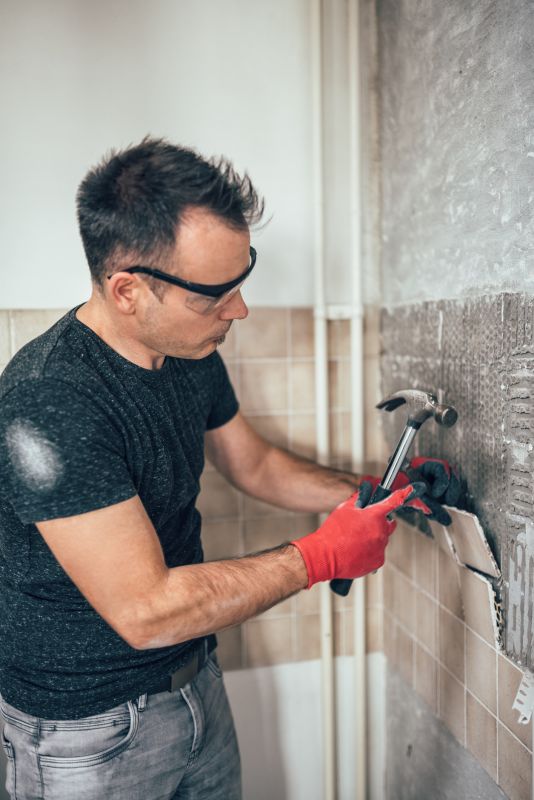
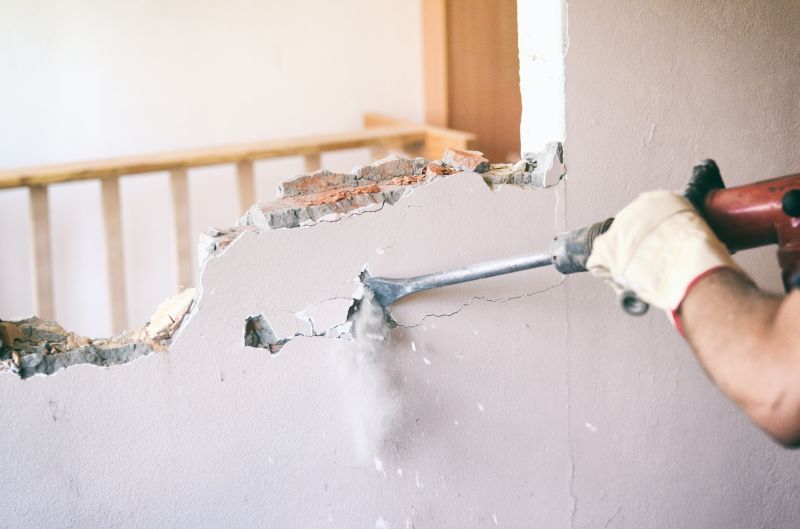
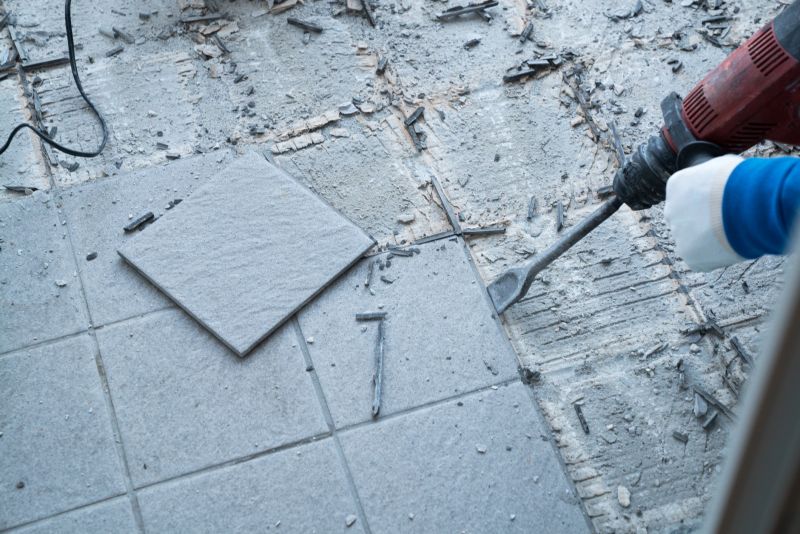
What is involved in hearth removal? Hearth removal includes carefully dismantling and removing the existing hearth structure to improve safety or update the space.
Can hearth removal be done in any type of home? Yes, hearth removal can be performed in homes with wood, brick, stone, or manufactured hearths.
Is hearth removal suitable for fireplace upgrades? Yes, removing the existing hearth is often part of remodeling or upgrading a fireplace area.
What should property owners consider before hearth removal? It’s important to assess the surrounding area and ensure proper disposal of materials during the removal process.
Request Hearth Removal in Bergen County, NJ
Use the quote form on this page to share the basics of your project and request more information for the type of work you need.